I remember the first time I saw a credit report with an error that wasn't mine. It was a collection account from a company I had never heard of, listed as unpaid. I was in the middle of a loan application, and the lender's denial letter pointed directly to that phantom debt. That experience taught me a hard lesson: your credit report is only as good as the data in it, and mistakes happen far more often than most people realize. Learning how to properly remove wrong credit entry can save you from unnecessary denials, higher interest rates, and months of frustration.
Under the Fair Credit Reporting Act, also known as FCRA, you have the right to dispute inaccurate information on your credit reports. The three major credit bureaus - Equifax, Experian, and TransUnion - are required by law to investigate your dispute and correct or delete any errors they cannot verify. But knowing your rights and actually getting results are two different things. I have helped friends and family navigate this process more times than I can count, and the biggest mistake people make is treating it like a quick fix rather than a methodical process. A careful approach to each credit report dispute makes all the difference between success and a frustrating runaround.
Why Credit Report Errors Happen More Often Than You Think
Credit bureau files are massive databases stitched together from multiple data furnishers - banks, lenders, collection agencies, and even utility companies. Mistakes slip in for all sorts of reasons. A data entry typo can attach someone else's late payment to your file. An account you closed years ago might still show as open with a balance. Identity theft can leave fraudulent accounts scattered across your reports. Even something as simple as a name mismatch between two files can cause a mix-up that drags down your credit score.
According to a study by the Federal Trade Commission, about one in five consumers has a confirmed error on at least one of their credit reports. That is a staggering number when you consider how much weight a credit score carries. Your FICO score or VantageScore directly influences mortgage approval, car loan rates, and even rental applications. A single wrong entry can cost you thousands of dollars over the life of a loan. That is why knowing how to remove wrong credit entry is not just a nice-to-have skill - it is a practical financial tool.
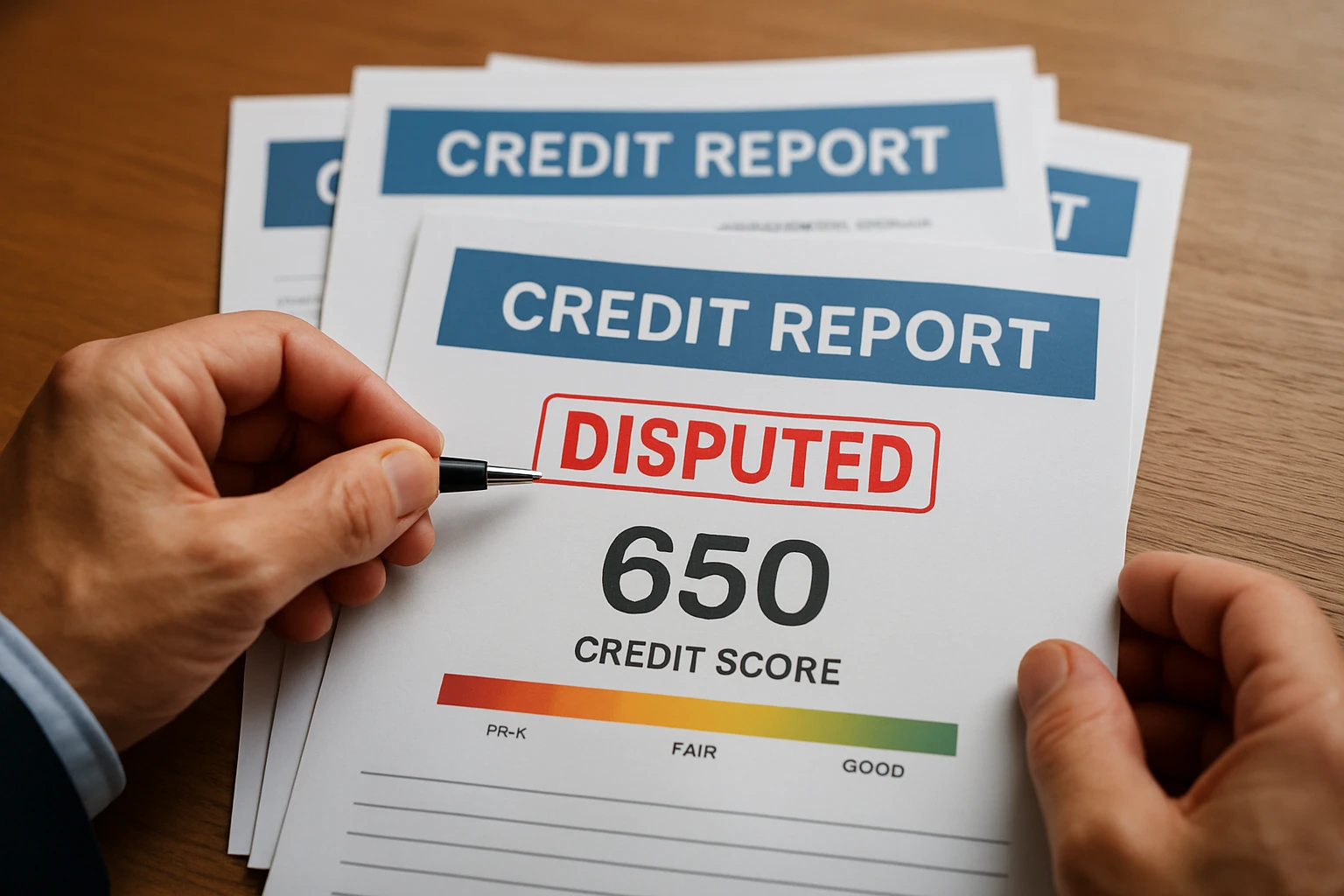
Start With the Facts: Get Your Reports First
Before you can fix anything, you need to know what the credit bureaus have on file. Federal law entitles you to one free credit report every twelve months from each bureau through AnnualCreditReport.com. That is the only official source authorized by the government. I recommend pulling all three reports at once so you can compare them side by side. Errors often appear on only one bureau's report, and you need to address each one separately.
Once you have your reports, read every line carefully. Look for accounts you do not recognize, incorrect balances, outdated public records, or accounts that do not match your payment history. Make a list of each error and note which bureau reported it. This step may feel tedious, but it is the foundation of any effective credit repair effort. Without a clear inventory of what is wrong, you cannot build a targeted dispute.
The Anatomy of a Strong Dispute Letter
When you find an error, your next move is to file a credit report dispute with the bureau that reported it. You can do this online, by phone, or by mail. I always recommend sending a physical dispute letter via certified mail. It creates a paper trail and forces the bureau to treat your case seriously. Online disputes are convenient, but they often route you through automated systems that can miss subtle errors. A well-written letter gives you more control over the narrative.
Your dispute letter should include your full name, address, date of birth, and a copy of your identification. Attach a copy of the credit report with the error circled or highlighted. For each disputed item, explain exactly what is wrong and why. If you have supporting documents - like a bank statement showing a paid-off balance or a letter from the original creditor - include copies. Never send originals. Keep a copy of everything for your records.
The Fair Credit Reporting Act gives the bureau 30 days to investigate your dispute. During that time, they contact the data furnisher who reported the information. If the furnisher cannot verify the accuracy of the item, the bureau must delete it. This is where the process can work in your favor. Many furnishers do not keep detailed records beyond a few years, and they may simply fail to respond. In that case, the error is removed automatically.

What Happens When the Bureau Says the Error Is Verified
Sometimes the bureau comes back and says the item is accurate, even when you know it is not. This can be frustrating, but it is not the end of the road. You have the right to request a reinvestigation. You also have the option to add a statement of dispute to your credit file, which explains your side of the story. Future lenders can see that statement when they pull your report.
If you believe the bureau or the data furnisher has violated the law, you can escalate your case to the Consumer Financial Protection Bureau (CFPB). The CFPB accepts consumer complaints about credit reporting issues and works to enforce compliance with the FCRA. I have seen cases where a CFPB complaint got the attention of a data furnisher that had been ignoring direct disputes for months. It is a useful tool, especially if you run into a dead end.
Another option is to work with a credit repair professional, especially if the error involves identity theft or a complex chain of accounts. But be careful. There are plenty of companies that promise to remove wrong credit entry for a fee but do little more than send form letters you could have written yourself. A legitimate credit repair service will never ask you to lie or create a new identity. They should also give you a clear timeline and a written contract.
Credit Monitoring and Ongoing Protection
Once you clean up your reports, do not assume the problem is solved forever. Errors can reappear if the data furnisher resubmits the same information. Regular credit monitoring helps you catch new inaccuracies before they cause damage. Many credit card companies and banks now offer credit monitoring as a free perk, and you can also sign up for paid services that track all three bureaus.
After you successfully remove wrong credit entry from a report, give it about 45 days and check again. Make sure the deletion stuck and that no new errors have popped up in the same spot. This is especially important if you are preparing for a major financial move like a mortgage approval or a loan application. Lenders pull your credit at the last minute, and a fresh error can ruin months of preparation.

Final Thoughts on the Dispute Process
Disputing credit report errors is a consumer protection right, but it requires patience and organization. The FCRA gives you the power to demand accuracy, but the credit bureaus are not always eager to cooperate. You have to be persistent. Keep copies of every letter, every response, and every receipt. Track deadlines. Follow up if you do not hear back within 30 days. And if you hit a wall, do not be afraid to involve the Federal Trade Commission or the CFPB.
The process of learning how to remove wrong credit entry is really about taking control of your financial reputation. It is not about gaming the system or hiding legitimate debt. It is about making sure the system reflects the truth. When your credit report is accurate, your credit score becomes a real measure of your financial history, not a random number pulled from a sea of errors. That is worth the effort.